
Learn
Metals
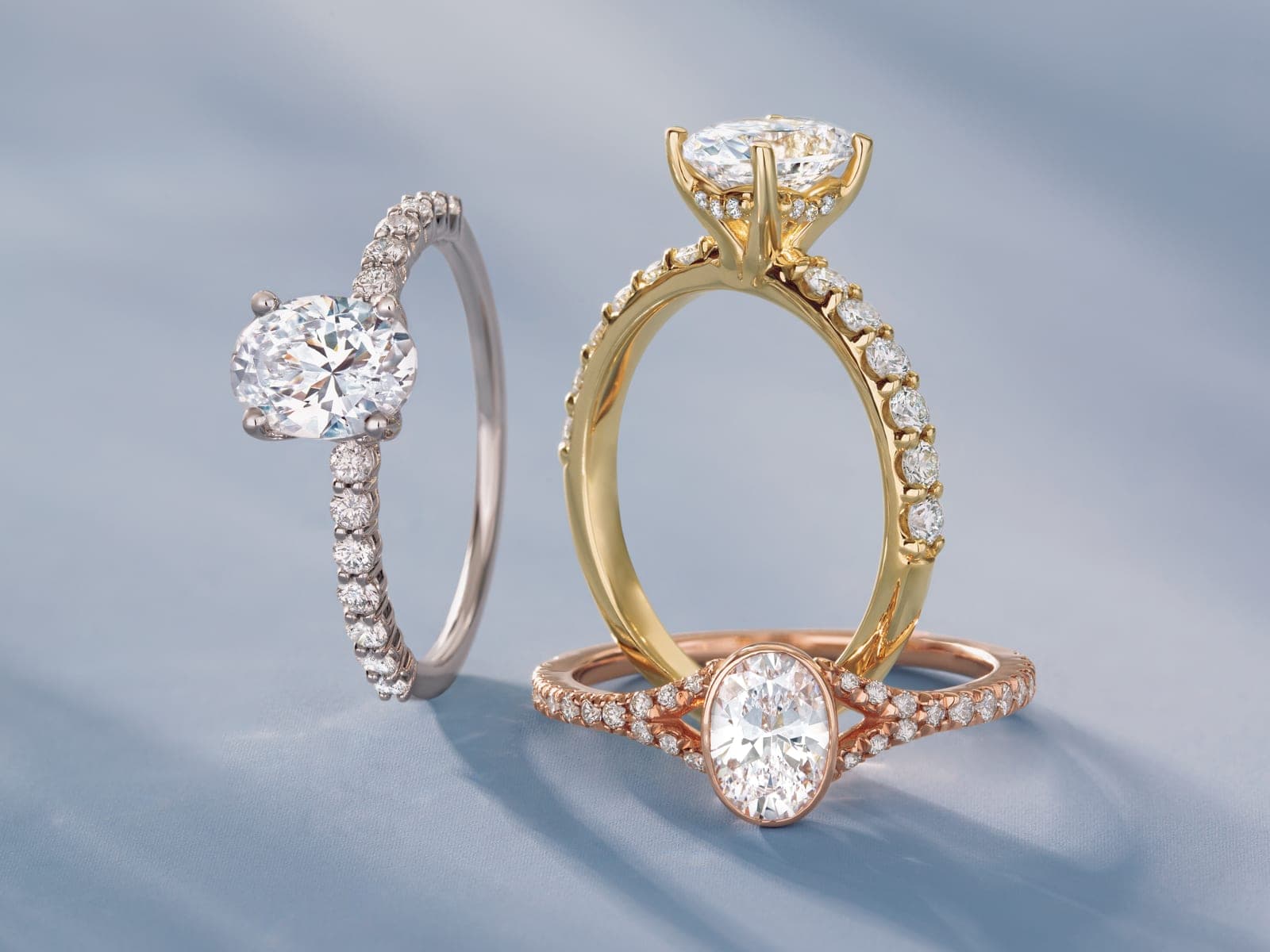
The metal is the frame around your stone. It sets the piece's color, its durability, how much upkeep it asks of you, and a good part of its character. Every Venori piece is set in solid 14K gold, in yellow, white, or rose. Here's why, and how to choose the color that fits your life.
Why we chose 14K gold
Gold purity is measured in karats. 24K is pure gold, which is beautiful but far too soft to wear: it bends, scratches, and lets stones work loose. Every karat below 24 is gold alloyed with other metals for strength. 14K is 14 parts gold in 24, about 58%. We looked at every option and chose 14K for every Venori piece, for five reasons.
- It's made for everyday wear. Engagement rings, bands, and studs are worn every day for decades. 14K is noticeably harder than higher-karat gold, so it resists the scratches, dents, and bending that come with real life.
- It keeps your diamond secure. Prongs and settings are only as strong as the metal they're made of. Harder gold holds its shape, so the claws gripping your stone stay tight year after year.
- More of your budget goes into the diamond. Higher-karat gold costs more and adds little that you can see once the piece is on your hand. With 14K, that money goes into the stone, the part that sparkles.
- The colors stay true. The alloy in 14K gives us a warm yellow, a soft rose, and a clean white base, and it keeps those colors consistent across the whole collection.
- It's solid all the way through. Never gold-filled, and never a thin layer of gold over a cheaper base metal. Your piece can be polished, repaired, and passed down.
In short: 14K is the balance of beauty, strength, and value that fine jewelry meant to be worn every day should have.
Yellow, white, or rose
- 14K Yellow GoldClassic and warm.
- 14K White GoldCool, bright white.
- 14K Rose GoldA soft blush tone.
The karat stays the same; the color comes from what the gold is alloyed with.
- Yellow gold — the classic. Warm and timeless, and it makes a near-colorless diamond look perfectly white.
- Rose gold — gold alloyed with copper for a soft blush tone. Romantic, modern, and especially flattering on warmer skin tones.
- White gold — a cool, bright white that lets the diamond take center stage.
What "white gold" actually is
White gold isn't naturally white. It's gold alloyed with white metals to lighten it, then finished with a thin rhodium plating that gives it the bright, mirror-white look. That plating gradually wears with daily contact, and the warmer tone beneath can begin to show through over a year or two. Re-plating is simple, inexpensive routine maintenance — not a defect — and it returns the piece to bright white.
Choosing for your lifestyle
- Active hands — if you work with your hands or want the lowest-maintenance option, yellow or rose gold never needs re-plating, and 14K is hard and forgiving.
- A bright, icy look — white gold gives the crispest white around your diamond; plan on an occasional re-plate to keep it that way.
There's no wrong answer; there's the one that matches how you actually live.
Before you decide, our ring sizing guide will help you get the fit right — and when you're ready, browse our engagement rings to see each color in person.
Related guides
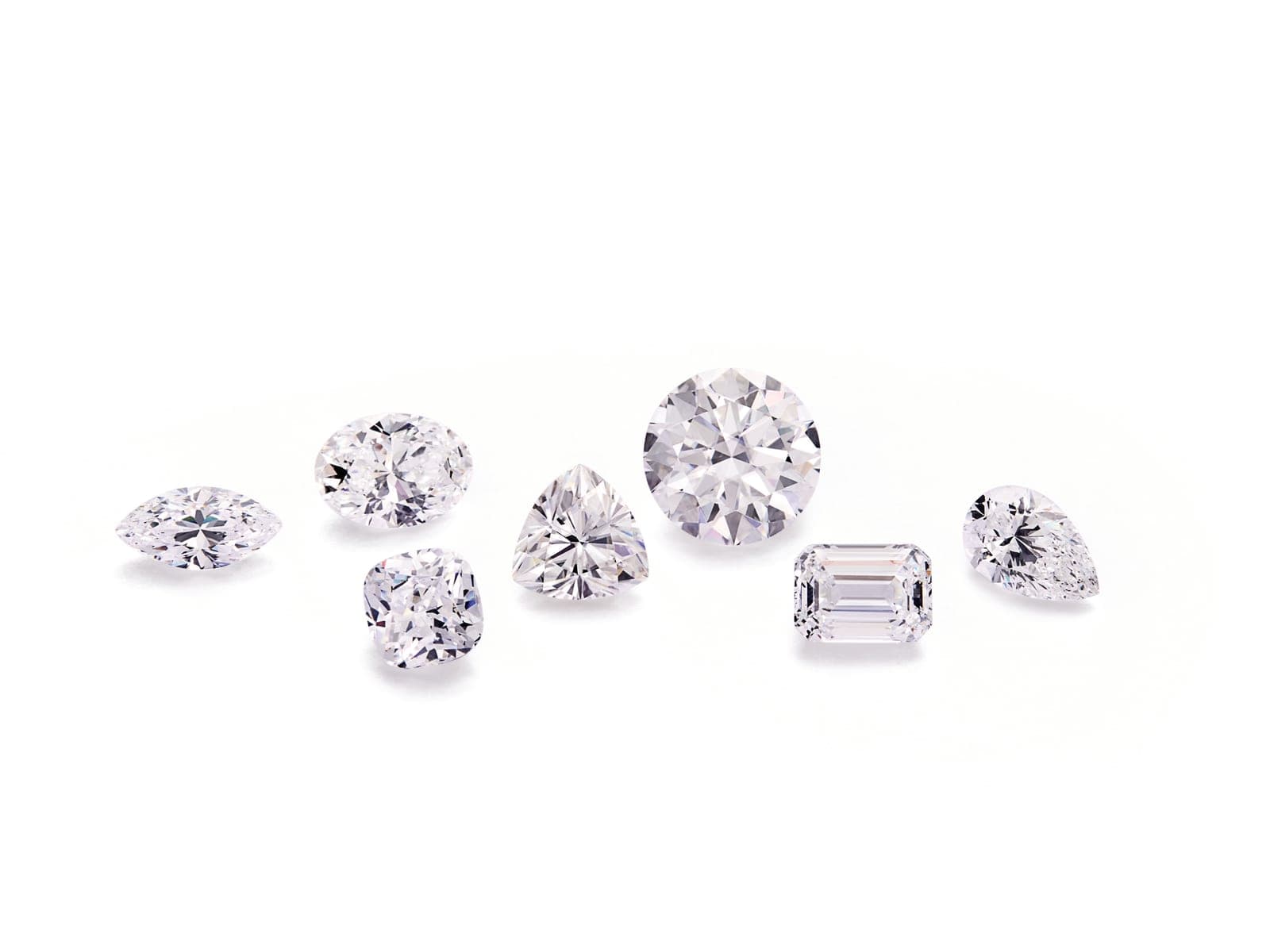
The 4Cs of Diamonds
Cut, color, clarity, carat — how the four characteristics interact and which ones drive perceived sparkle.
Read guide →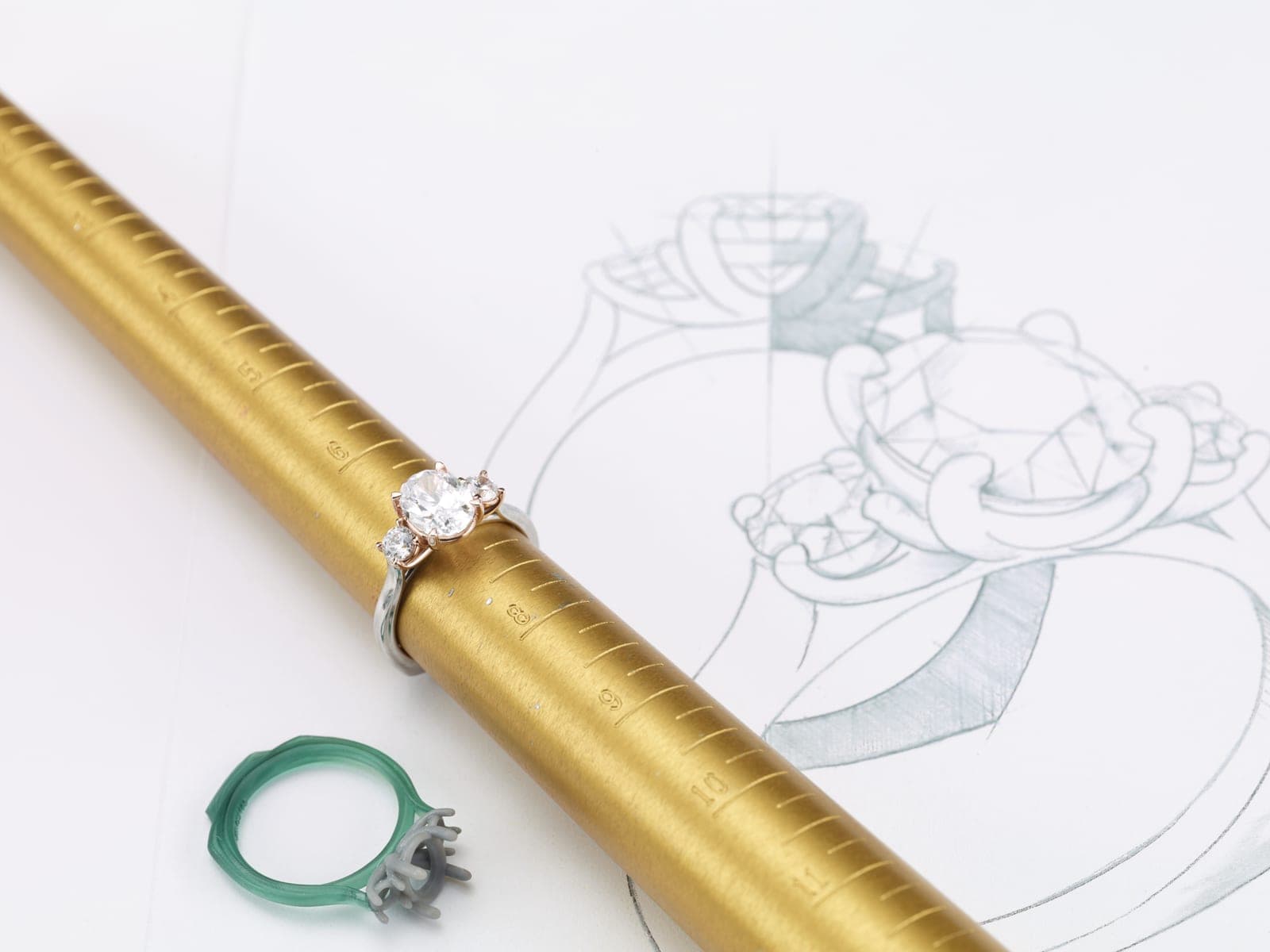
Ring Sizing
How to find a comfortable size, including at-home tricks and what 'comfort fit' means.
Read guide →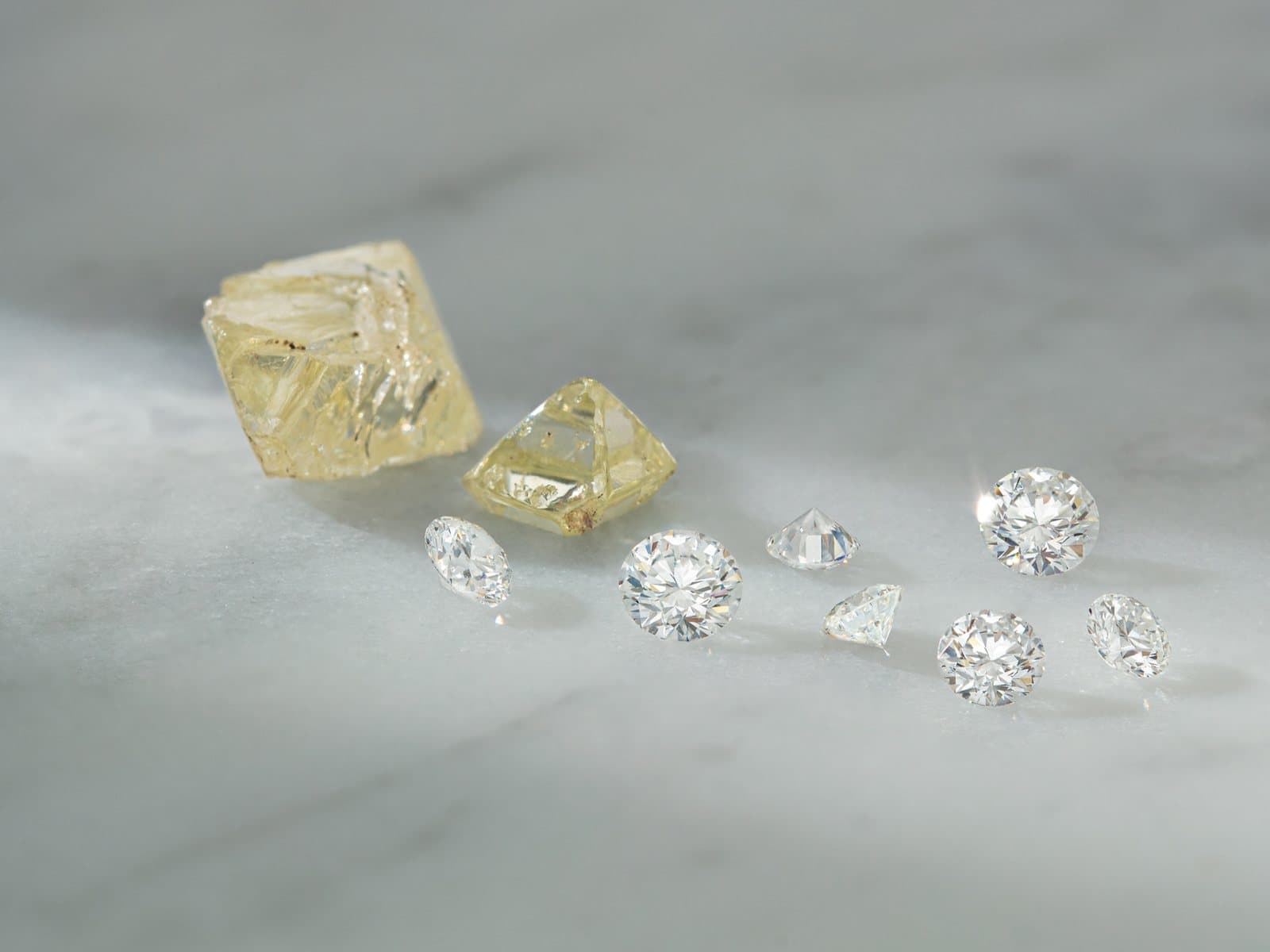
Lab Grown vs Natural Diamonds
Identical chemistry, different origin. The honest tradeoffs across price, value, and conscience.
Read guide →